For many women, the monthly menstrual cycle is a natural and expected occurrence. However, with advancements in medical science and the availability of contraceptives, the question arises: should women skip their periods?
The Modern Perspective on Menstruation
The way society views menstruation has evolved over time. With the rise of feminist movements and increased awareness about women’s health, the conversation around periods has become more open and informed.
For some, the decision to skip periods is about ending debilitating pain or dark thoughts. For others, it’s about the convenience of not having to worry about sanitary products.
With the availability of contraceptives that can halt or lighten periods, many women are making the choice to control their menstrual cycles. According to the Guardian, about a fifth of women using contraceptive implants no longer bleed.
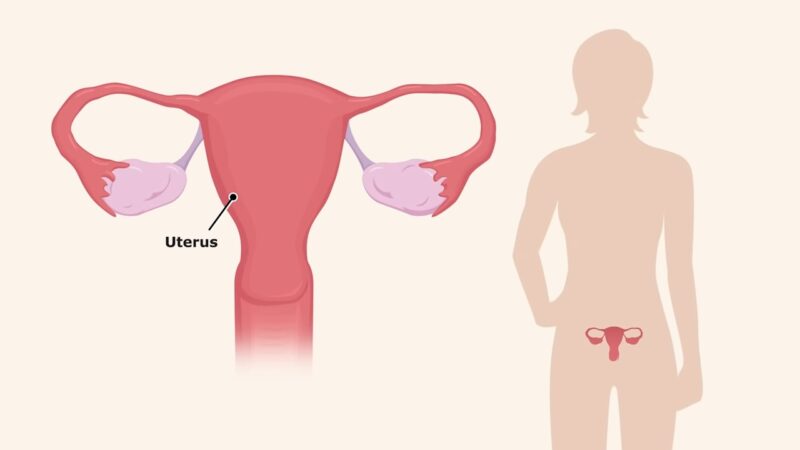
Menstruation is the process by which the body sheds the lining of the uterus. Contrary to popular belief, not having periods does not create a “backlog” nor are they necessary to “cleanse the body”.
According to Dr. Jane Thomas, a consultant gynecologist, having numerous periods is a modern phenomenon. Historically, women would be either pregnant or breastfeeding for extended periods, thus having fewer menstrual cycles.
The Health Implications
While the choice to skip periods might seem purely personal, it’s essential to understand the health implications associated with this decision. Not having periods can be a relief for many women.
It can alleviate symptoms of certain health conditions like endometriosis and depression. According to a survey by Public Health England, half of the women aged 16-64 reported menstrual issues in the last year.
Dr. Anne Connolly, the clinical lead for Women’s Health for the Royal College of GPs, mentioned that 99% of women don’t need to bleed. While many experts advocate for the choice to skip periods, some concerns arise.
Holly Grigg-Spall, the author of “Sweetening the Pill“, points out that there’s limited research on the long-term impact of continuously taking the combined pill. She emphasizes the importance of providing women with all the necessary information before making a decision.
Making an Informed Choice
The decision to skip periods is deeply personal. It’s essential to be informed and understand the various factors at play.
Hormonal contraceptives have been at the forefront of this discussion. They use synthetic versions of hormones to interfere with the menstrual cycle, preventing pregnancy and sometimes stopping or lightening periods. According to Judith Stephenson from University College London, one of the significant benefits of not having periods would be reducing iron deficiency anemia.
The most empowering approach is to let women choose for themselves. Whether it’s due to health reasons, personal preferences, or convenience, the choice to have or not have periods should be respected. As Sophie, a 24-year-old from Glasgow, puts it, “Different things suit different people, and that’s fantastic.”
The Science Behind Skipping Periods on Birth Control
Birth control pills have been a game-changer for many women, offering not just contraception but also the ability to control when and if they menstruate. But what happens when you decide to skip that monthly bleed?
When you take the traditional seven-day break from hormones on birth control pills, the bleeding you experience isn’t your natural period. Instead, it’s a “withdrawal bleed” triggered by the brief hormone-free interval. According to Health, this bleed was introduced to make the pill feel more natural, but it’s neither natural nor necessary. Dr. Maria Sophocles, the medical director of Women’s Healthcare of Princeton, emphasized that there was never a health-related reason for people on the pill to have a monthly bleed.
The short answer is yes. Birth control researcher Dr. Elizabeth Micks stated that there’s no medical difference between taking a birth control break every 21 days or continuing with it daily to skip the period. The original cyclic design of the pill was more about acceptability to women and their partners rather than health reasons.
Pros and Cons of Skipping Periods
Like any medical decision, choosing to skip periods using birth control has its advantages and disadvantages. It’s essential to weigh these factors before making a choice.
Skipping periods can be convenient, especially for those with hectic lifestyles. It can also be beneficial for individuals with health issues like heavy periods, menstrual migraines, and endometriosis. Extended and continuous birth control methods have been used to treat these conditions.
One significant concern is the uncertainty about pregnancy. Without the monthly bleed, some women might feel anxious about not knowing if they’ve conceived. Dr. Sophocles mentioned that this could be “an anxiety-provoking way to exist.” Additionally, some women might experience spotting or breakthrough bleeding when they first start an extended or continuous method.
Making the Right Choice
The decision to skip periods using birth control is deeply personal and should be made after thorough consideration and consultation with a healthcare provider.
Every individual has unique needs and preferences. Some might want the reassurance of a monthly bleed to confirm they’re not pregnant, while others might prioritize convenience. It’s essential to have options and choose what’s best for you.
If you’re considering changing your birth control method or skipping periods, it’s crucial to discuss it with a healthcare provider. They can provide insights into the best hormonal birth control method for you and help you achieve your desired bleeding pattern.
Frequently Asked Questions
Can skipping periods lead to infertility in the future?
No, skipping periods using birth control does not lead to infertility. Once you stop taking the pill, your natural menstrual cycle typically resumes.
Are there any side effects of continuously taking birth control pills?
Some women might experience side effects like nausea, breast tenderness, or mood changes. However, these effects vary from person to person.
How long can I safely skip periods using birth control?
It’s safe to skip periods for as long as you’re on birth control. However, it’s essential to consult with a healthcare provider for personalized advice.
Is it necessary to take a break from birth control pills occasionally?
No, it’s not medically necessary to take a break from birth control pills unless advised by a doctor.
Will I gain weight if I skip periods using birth control?
Weight gain is a potential side effect of some birth control methods, but it’s not directly linked to skipping periods.
Can I skip periods using methods other than birth control pills?
Yes, other methods like contraceptive implants, injections, and IUDs can also help in skipping or reducing periods.
Is it natural to skip periods?
While menstruation is a natural process, using birth control to manage or skip periods is a medically accepted practice.
Final Words
The choice to skip periods offers women autonomy over their bodies, aligning with their lifestyle and health needs. It’s a testament to medical advancements and the evolving understanding of women’s health. Always consult with a healthcare provider to make informed decisions.